

23 October 2026
Youth AMR Advocates: Educating for Behaviour Change
“You spoke Hausa, so I knew you understood us”
Over six months, young people in Cameroon, China, Ecuador, India, Jordan, Kenya, Nigeria, Tanzania and Uganda ran campaigns on Educating for Behaviour Change. Their aim was to take antimicrobial resistance (AMR), one of the most urgent and least understood health threats of our time, and make it matter to the people in their communities.
One Health: people, animals and our environment
AMR does not stay in one place. Resistant bacteria move between people, animals and the environment, so the winners looked for answers in all three.
Some teams worked in hospitals, pharmacies and classrooms. Others went to veterinary clinics, farms and abattoirs. In Kenya, one team started from a question: what happens to medicines when we no longer need them?
In Dar es Salaam, the PetShield team began with pets. A dog that misses its vaccinations is more likely to get sick, and a sick dog is more likely to be given antibiotics. So the team built a simple reminder system that sends vaccination messages to pet owners through their vet clinics. One owner brought his dog in for a final jab and said it was the first time he had ever finished a vaccination schedule on time. For vet Dr Ramla Juma, the digital reminders removed the need for paper logs and relying on memory. She says they gave her “total peace of mind.”
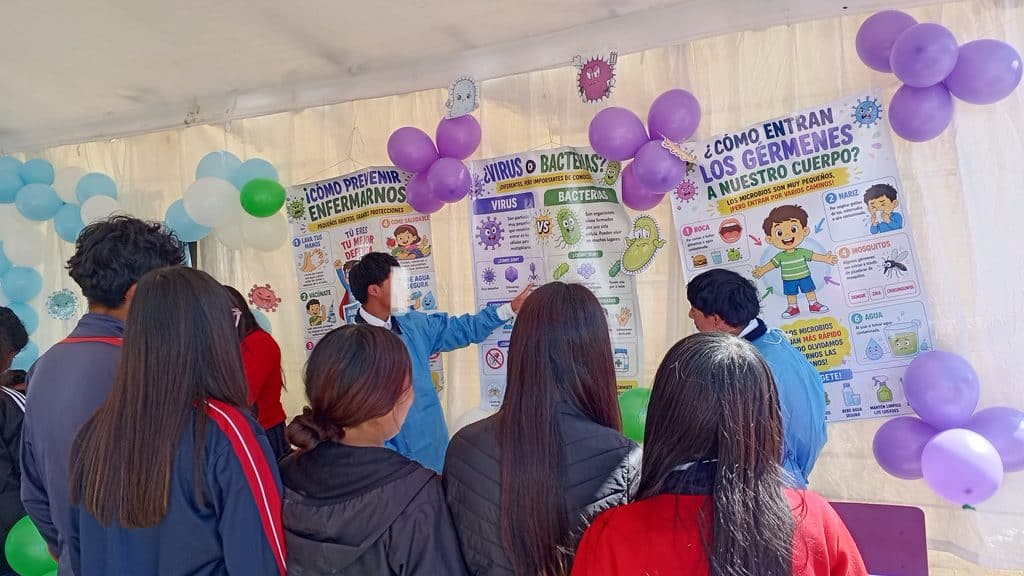
Image credit: Cure-ious Minds RAM team
Community action: meeting people where they are
None of these campaigns waited for people to come to them. The young leaders went to where their communities already gather and to the people those communities already trust.
In Kibera and Lang’ata in Nairobi, the Dispose Safely, Protect Our Planet team worked through churches and mosques. One church leader said his congregation had never thought about what happened to their leftover medicines. At a free community health day, an elderly woman arrived with a bag of expired medicines she had kept for years because she had never known where to take them. Lockable take-back cabinets in local health facilities now give her and her neighbours that option.
In Jordan, the Generation Guardians team started on the street, asking people how they used antibiotics. Some said they took them almost every day. Others took them for back pain. So the young team took their message into hospitals, universities, schools, community pharmacies and other institutions, and eventually into a Senate committee room.
In Cuenca, Ecuador, the Cure-ious Minds RAM team turned an ordinary classroom into a small laboratory where teenagers could see bacteria for themselves. One student’s excitement about microbiology spread through the whole group.
And in Uganda, one VoiceVigil champion’s first success came before her community outreach had even started. After learning about responsible antibiotic use in her training, she persuaded her own mother to stop buying antibiotics at the market without a prescription.
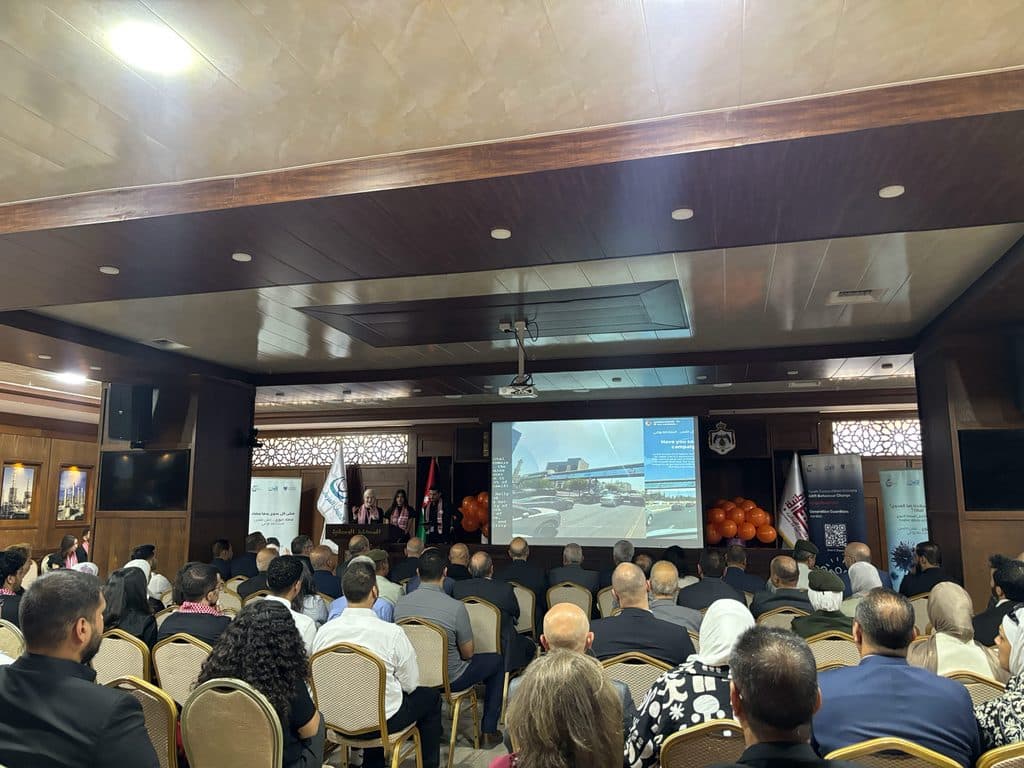
Image credit: Generation Guardians team
Speaking people’s language
The Hausa-speaking champion was one of many young people in the VoiceVigil network, which spans Cameroon, Kenya, Nigeria and Uganda. Together they translated AMR guidance into the languages spoken at home and in the market, including Yoruba, Igbo, Tiv, Pidgin, Luganda, Lango, Runyankole and Swahili. Many switched between languages in a single session, depending on who was listening. They took the message into schools, onto farms, into abattoirs and pharmacies, and into places of worship.
The message stuck. At one community session, a secondary school student explained AMR without any prompting: take medicines only when a doctor prescribes them, finish the full course, and never share antibiotics with anyone else.
In Jordan, the campaign spoke both Arabic and English. In Tanzania, clinic staff and pet owners who weren’t confident with technology were helped with illustrated guides, a WhatsApp support group and short video tutorials.
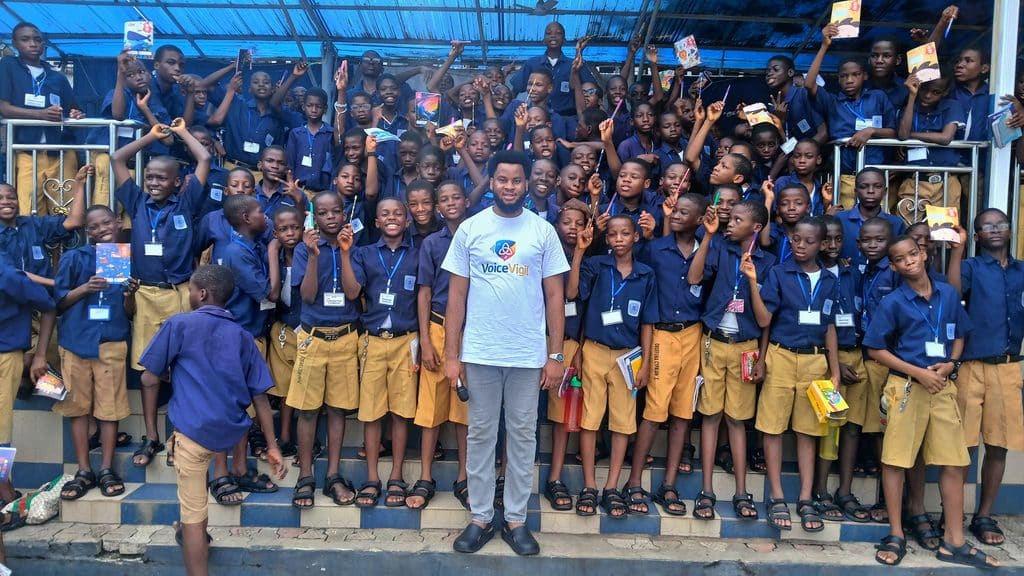
Image credit: VoiceVigil team
Simple, visual and fun
Speaking the right language also means dropping the jargon.
In India, the #SochSamajhKe fellowship run by Youth Ki Awaaz with Superheroes Against Superbugs boiled everything down to three everyday prompts: Ask First, Finish Fully, No Leftovers. Each fellow picked the format that suited them. They built an interactive game, made memes, and created myth-busting flash cards. As they interviewed people in homes, hostels and low-income neighbourhoods, the fellows learned something important. Knowing the right answer isn’t enough when the local chemist is quicker and cheaper than the doctor. So their stories focused on everyday life rather than facts alone.
In China, the best idea came from the youngest person in the room. At a family workshop, a six-year-old’s poster sparked the idea for AMR Ninja, a game families now play on WeChat. Another child drew viruses and bacteria battling vaccines and antibiotics, which showed the team exactly how children were making sense of the topic. One parent shared the workshop online, saying the children were delighted and the family was already looking forward to the next one.
Habits that ripple outward
The stories share a pattern. Change starts with one conversation in a familiar language, from someone people trust. A daughter talks to her mother. A pet owner tells his neighbours. A student repeats an idea to her friends. A farmer stays to listen.
One fellow from the #SochSamajhKe programme described how the fellowship changed them:
“I now make it a strict habit to ask or consult doctors about the specific need for an antibiotic when someone around me falls ill.”
These young leaders have shown that tackling AMR isn’t only a job for laboratories and policymakers. It happens in kitchens, clinics, classrooms and places of worship, every time someone chooses to ask first, finish fully and leave nothing over.
If you feel inspired by our youth winners, join the upcoming Youth AMR Action Forum on 28 October at 13:00 GMT. Register here.


