






12 March 2026
Doing Research Where It’s Needed Most: Lessons From Rural South Africa
Written by: Professor Helen McIlleron, AMRoots
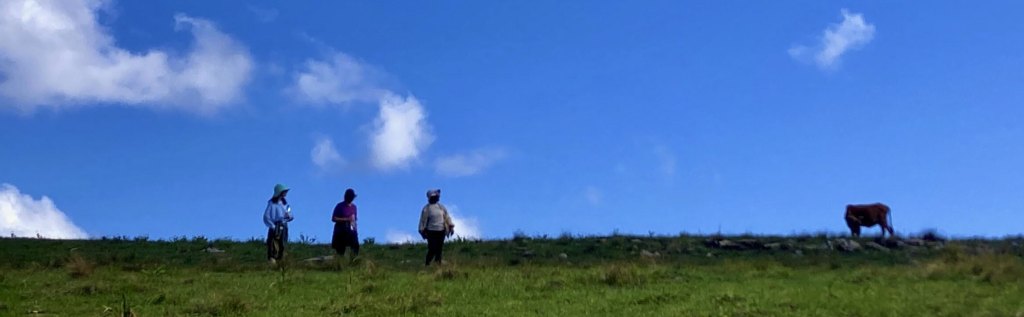
AMRoots is a recipient of The Trinity Challenge on Antimicrobial Resistance funding, this vital project has already achieved so much working with rural communities in South Africa’s Eastern cape – read more here, below their project lead Professor Helen McIlleron reflects on the realities of delivery and challenges they faced.
Many rural and marginalised communities who face the highest health risks receive the least attention. Our experience working with smallscale livestock farmers in the Eastern Cape reminded us why research in these settings matters, and how challenging it can be to do it well.
What We Set Out to Do
Through the AMRoots project, we’re trying to understand antimicrobial resistance (AMR) in a part of South Africa where people, animals, and the environment are tightly connected. We mapped AMR patterns, explored risk factors, and worked closely with the community to understand everyday practices around antibiotics.
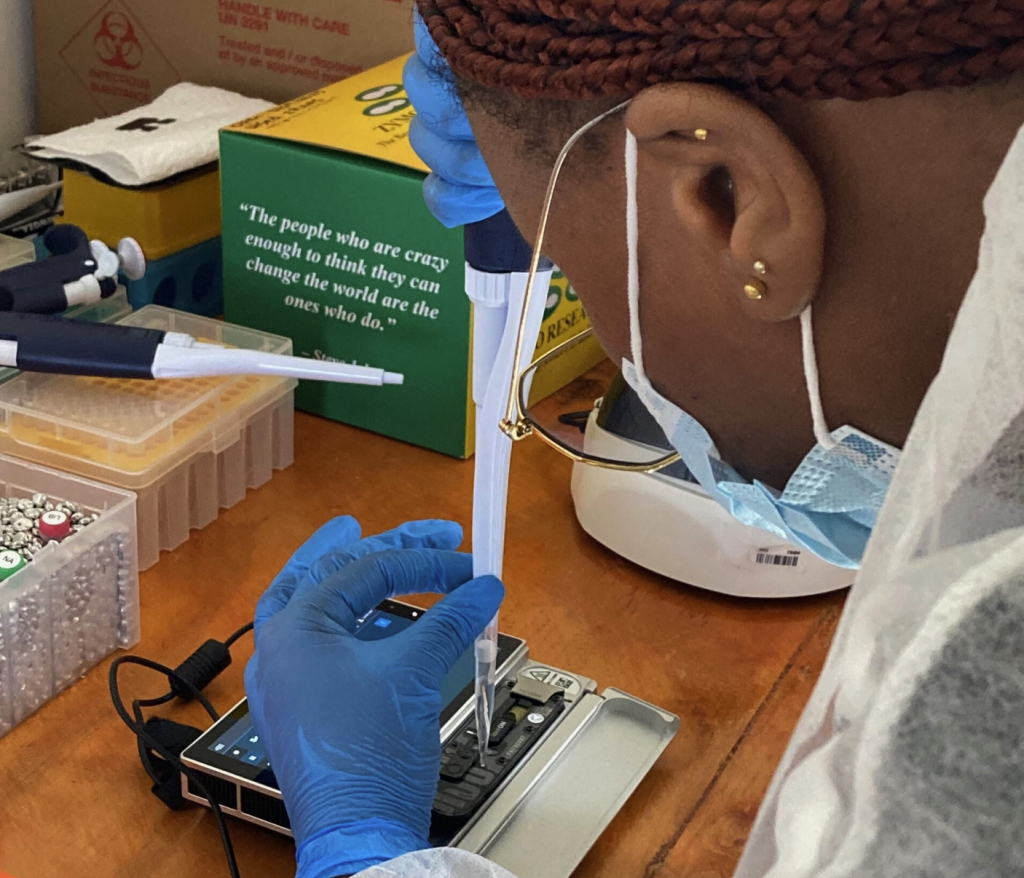
Our work included workshops, filmmaking (links to come), household questionnaires, and interviews. We even set up a small temporary lab to run metagenomic sequencing in the field — identifying bacteria and AMR mutations in water, human, and livestock samples before transporting additional samples to Cape Town for chemical analysis.
Why This Matters
Across South Africa, about two million smallholder or subsistence farmers support the livelihoods of roughly a third of rural residents. Many live with limited access to safe water, sanitation, veterinary care, and health services — conditions that increase the risk of AMR spreading between animals and humans. Data is scarce, but the little that exists raises concern about how antibiotics are used and how contamination might enter food and water sources. Understanding AMR in these settings is vital, not only for local health but for global food systems as these farmers enter the broader economy.
The Ethical Imperative
Rural communities carry a heavy burden of disease: HIV, TB, undiagnosed noncommunicable diseases, poor nutrition, unsafe water, and exposure to zoonotic infections. Infrastructure challenges make daily life difficult — and make research difficult too. But that shouldn’t be a reason to avoid working in these communities. If anything, it strengthens the need to understand the problems and hear directly from the people affected.
Community Partnership as the Foundation
A One Health approach only works when community members are true partners. Local not for profit organisations were crucial throughout the project — sharing knowledge, helping design the research, introducing us to community leaders, and assisting with recruitment of local fieldworkers and service providers. With their support, and our investment in engagement activities, trust grew between the research team and the community. That trust made the research possible, and it will be just as important when it comes to acting on the findings.
What Made the Work So Hard
The challenges were real. Poor roads and slow or unreliable internet made it hard to get equipment delivered and set up digital systems. Limited water and sanitation created practical burdens in the field. Electricity cuts and low bandwidth slowed down laboratory workflows to the point that most sequencing had to be completed back in Cape Town.
Institutional processes added another layer: ethics committees in different faculties, biosafety approvals, agricultural regulations, and administrative systems not designed for multidisciplinary fieldwork. We also wanted to support local businesses, but many couldn’t meet the university’s vendor requirements due to poor internet access, limited documentation, or lack of digital payment systems. Ironically, systems meant to manage institutional risk sometimes make it harder to conduct research where it’s most needed.
What We’d Do Differently
With hindsight — and more resources — we would:
– Plan better for field team fatigue
– Test supply delivery and logistics earlier
– Pilot laboratory workflows in field conditions before deployment
– Push for more streamlined, cross faculty ethical and biosafety approval processes
– Explore ways for institutions or NPOs to help facilitate payments or procurement where local businesses face digital barriers.
Even with better planning, research in marginalised rural areas will always take extra time, effort, and cost.
Why We Still Believe It’s Worth It
If we don’t invest in understanding the health challenges facing poor rural communities, they risk falling further behind. Funders, institutions, and researchers need to recognise the added effort as part of the job — not a deterrent. Our project stretched the limits of institutional support, but it also showed what’s possible when science and community engagement come together in a remote setting.
To build healthier, more sustainable rural livelihoods, we may need new ways of organising research — ways that meet communities where they are, rather than asking them to fit into systems that were never designed for them.